
Skip to content
Supply Chain Risk Management – Resilinc
  • Products
        • AGENTIC AI SUITE

          • AI Suite OverviewAutonomous risk and compliance management
          • SC WatchProactive risk detection
          • SC MonitorIntelligent risk management
          • SC CommandFull-spectrum risk control
        • AI AGENTS

          • AI Agent OverviewScenario-specific analysis and action
          • Tariffs AgentBuilt-in protection from tariff risk
          • UFLPA AgentAlways-on compliance, instant response
          • Disruption AgentConfident execution through disruption
        • FEATURED CAPABILITIES

          • EventWatchAIReal-time global event tracking
          • Multi-Tier MappingComplete end-to-end supplier visibility
          • RiskShieldProactive supply chain risk protection
  • Solutions
        • BY INDUSTRY

          • Aerospace and Defense
          • Healthcare and Life Sciences
          • Automotive and Industrial
          • High Tech and Semiconductor
        • BY ROLE

          • Supply Chain Resiliency
          • Sourcing and Procurement
          • Executive Leadership
          • AI and Data Science
        • BY TOPIC

          • Supply Chain Risk Management
          • Supply Chain Compliance
        • BY SERVICE

          • Advisory Services
          • Managed Services
  • Resources
        • LEARN

        • Blog
        • Special Reports
        • Demos and Training
        • Case Studies
        • White Papers and Reports
        • Podcasts and Webinars
        • eBooks
  • Company
        • ABOUT US

        • Careers
        • About Resilinc
        • Events
        • Press Releases
        • In the News
        • Partners
        • Contact Us
Sign In
Schedule Demo
Supply Chain Risk Management – Resilinc
  • Products
    • Agentic AI Suite
      • AI Suite Overview
      • SC Watch
      • SC Moitor
      • SC Command
    • AI Agents
      • AI Agent Overview
      • Tariffs Agent
      • UFLPA Agent
      • Disruption Agent
    • Featured Capabilities
      • EventWatchAI
      • Multi-Tier Mapping
      • RiskShield
  • Solutions
    • By Industry
      • Aerospace and Defense
      • Healthcare and Life Sciences
      • Automotive and Industrial
      • High-Tech and Semiconductor
    • By Role
      • Supply Chain Resiliency
      • Sourcing and Procurement
      • Executive Leadership
      • AI Data Scientists
    • By Topic
      • Supply Chain Risk Management
      • Supply Chain Compliance
    • By Service
      • Advisory Services
      • Managed Services
  • Resources
    • Blog
    • Special Reports
    • Demos and Training
    • Case Studies
    • White Papers and Reports
    • Podcasts and Webinars
    • eBooks
  • Company
    • About Resilinc
    • Careers
    • Events
    • Press Releases
    • In the News
    • Partners
    • Contact Us
  • Sign In
  • Schedule Demo
  • Products
    • Agentic AI Suite
      • AI Suite Overview
      • SC Watch
      • SC Moitor
      • SC Command
    • AI Agents
      • AI Agent Overview
      • Tariffs Agent
      • UFLPA Agent
      • Disruption Agent
    • Featured Capabilities
      • EventWatchAI
      • Multi-Tier Mapping
      • RiskShield
  • Solutions
    • By Industry
      • Aerospace and Defense
      • Healthcare and Life Sciences
      • Automotive and Industrial
      • High-Tech and Semiconductor
    • By Role
      • Supply Chain Resiliency
      • Sourcing and Procurement
      • Executive Leadership
      • AI Data Scientists
    • By Topic
      • Supply Chain Risk Management
      • Supply Chain Compliance
    • By Service
      • Advisory Services
      • Managed Services
  • Resources
    • Blog
    • Special Reports
    • Demos and Training
    • Case Studies
    • White Papers and Reports
    • Podcasts and Webinars
    • eBooks
  • Company
    • About Resilinc
    • Careers
    • Events
    • Press Releases
    • In the News
    • Partners
    • Contact Us
  • Sign In
  • Schedule Demo

Home / Blogs / The Uyghur Forced Labor Act and your supply chain

The Uyghur Forced Labor Act and your supply chain

The Uyghur Forced Labor Act and your supply chain

Jul 14, 2022

Resilinc Editorial Team

Multi-tier Mapping, Supply Chain Visibility, Tariffs and Trade

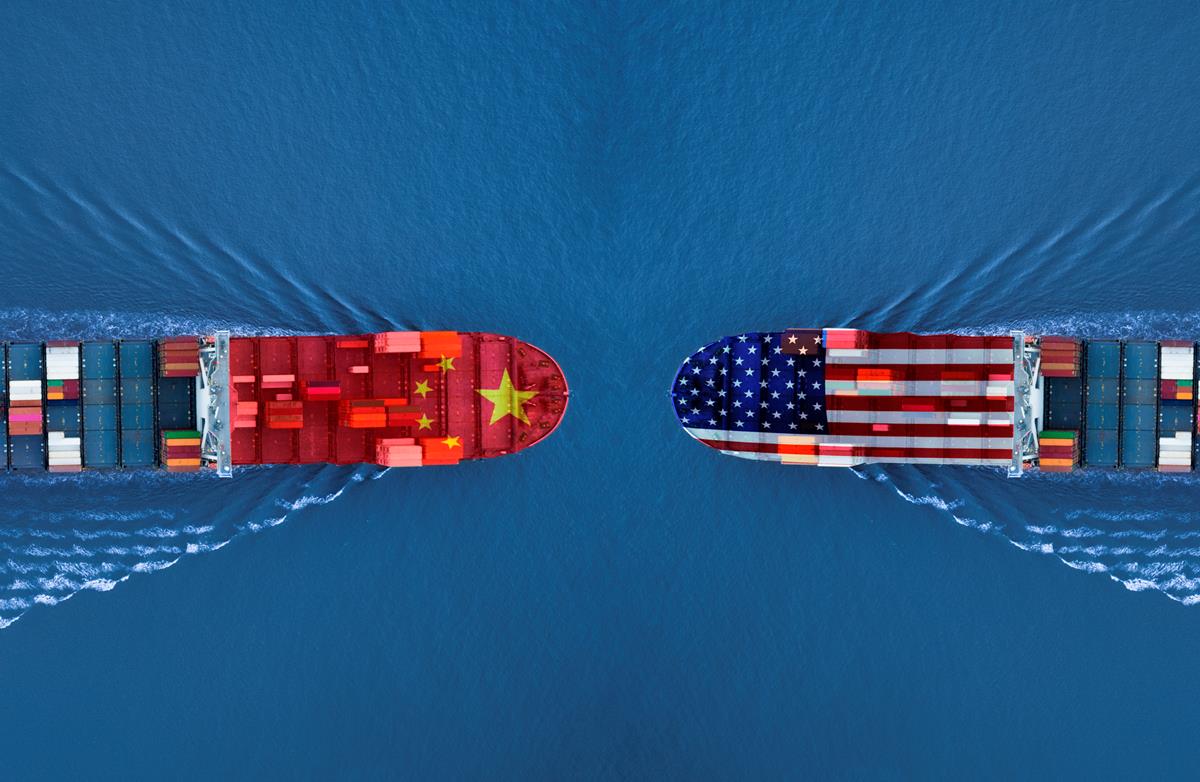
In a rare show of unity, all but one U.S. congressman voted in favor of the Uyghur Forced Labor Prevention Act in December 2021. The vote was a “rare victory for human-rights groups [that] reflects a bipartisan China hawkishness in Washington,” according to the Economist. China denies the existence of forced labor in Uyghur, and as the act went into force in late June, the Chinese Ministry of Commerce reiterated that “Chinese laws explicitly ban forced labor” and promised “necessary action” to defend the country’s interests,” according to CNN.

While the UFLPA enters the growing list of contentious issues dividing China and the U.S., importers and supply chain managers need to focus instead on the multiple lists of banned and suspected companies and products from Xinjiang. This list, developed and published by the Customs and Border Patrol (CBP) and other federal agencies in the Forced Labor Enforcement Task Force (FLETF), includes:

A list of 20 entities in the Xinjiang Uyghur Autonomous Region (XUAR) that CBP says mine, produce, or manufacture wholly or in part items with forced labor;

Lists of labor contractors and brokers who work with the XUAR government to exploit Uyghurs, Kazakhs, Kyrgyz and other persecuted groups;

Lists of organizations that work with the government on benign sounding programs like “poverty alleviation” and “pairing programs” which, according to the Center for Strategic and International Studies (whose research is widely cited by CBP and its parent agency, Department of Homeland Security), send slave laborers from Xinjiang to other Chinese provinces.

In a recent Q&A, CSIS human rights expert Marti Flacks says that Department of Homeland Security (DHS) will initially target four high-risk sectors of goods coming from XUAR: apparel, cotton, tomatoes, and polysilicon.  “Other goods produced in Xinjiang that are likely to enter global markets—including paprika, wind turbines, and polyvinyl chloride (PVC)—may therefore not initially be subject to the same scrutiny.” But wider enforcement—and not just of goods originating in XUAR but of those that contain XUAR materials or commodities—is coming.

“Raw materials and components from the region are integrated into dozens of categories of products finished in other parts of China or transshipped via other countries before being exported to the United States,” said Flacks.  XUAR is source of about 20% of the world’s cotton and 50% of the world’s polysilicon, a key ingredient for solar panels. And with such a large share of the global market for these materials, XUAR exporters supply thousands of manufacturers worldwide. To truly enforce the UFLPA, CBP will have to “assess a wide variety of products entering the United States … applying human rights due diligence and supply chain traceability requirements.”

Unlike a criminal prosecution, shipments that CBP suspects of violating the UFLPA will be considered guilty until proven innocent. An importer of a shipment suspected of containing items associated with XUAR forced labor must “demonstrate by clear and convincing evidence that the goods in question were not produced wholly or in part by forced labor, fully respond to all CBP requests for information about goods under CBP review,” writes DHS in its UFLPA strategy.

That strategy also acknowledges the formidable “barriers to performing due diligence, to supply-chain tracing, and supply-chain management, and to obtaining evidence to demonstrate that goods were not made wholly or in part in Xinjiang or by an entity on the UFLPA Entity List,” states DHS. Supply chains are complex and difficult to map down to the lower tiers where unsuspected materials or goods supplier from XUAR may lurk. As DHS points out, importers and OEM customers “often have visibility only into primary stages of their supply chains but not into the raw, or near-raw, material supplier level. Forced labor often occurs at this supplier level, for example in agriculture and extraction of raw materials; and, in some cases, forced labor will be in mid-tier production chains, for example in manufacturing and assembly.”

For competitive reasons, direct and second-tier suppliers are often reluctant to disclose exactly who their suppliers are, leaving importers blind to potential violations of UFLPA and related forced labor policies. And with increasing requirements to avoid the use of forced labor, lower-tier suppliers may become even more unlikely to be transparent with their customers about the possible existence of banned XUAR materials, commodities, or goods. Penetrating the opaque lower tiers of supply chains is one of Resilinc’s core services—and the company looks forward to helping existing and new customers use mapping, risk monitoring and supplier collaboration tools to root out forced labor in supply chains.

For a deeper dive into what this means for your supply chain read our Special Report: Uyghur Forced Labor Prevention Act – What importers need to know




Key Insights

Recent Posts

How Pax Silica Is Redrawing the Rules of Technology Supply Chain Governance

Managing Persistent Disruption in Automotive and Manufacturing Supply Chains in 2026

U.S.–India Trade Agreement: Impact on Global Supply Chain Risk and Resilience

What Automotive Suppliers Need to Know About DDRT Compliance Before It’s Too Late

Supply Chain Disruption Is Accelerating and Why 2026 Demands a New Response

How Resilinc and Hirc Are Advancing Real-Time Healthcare Supply Chain Resilience

The 2026 Supply Chain Cyber Risk Checklist: 5 Critical Questions Every Leader Must Answer

The Big Questions Businesses Are Asking About Autonomous Supply Chain Mapping

About Resilinc

We’re the world’s leading supply chain monitoring, mapping, and resiliency solution. Over 100k organizations partner with us to take their SCRM programs from reactive to resilient.

Request Demo

Recent Blogs

Loading...
Abstract world map graphic illustrating global technology supply chain governance networks
Mar 02, 2026
4 MIN READ
Resilinc Editorial Team

How Pax Silica Is Redrawing the Rules...

On February 20, the United States and India formalized India's entry into the...
Geopolitical, Semiconductor
Image of automotive manufacturing
Feb 19, 2026
3 MIN READ
Paul Rossi, Director, Expert Services, Resilinc

Managing Persistent Disruption in Aut...

Managing persistent disruption In 2026, automotive and manufacturing organizations should prepare for a...
Automotive, Manufacturing
Image of the flag of India.
Feb 12, 2026
2 MIN READ
Resilinc Editorial Team

U.S.–India Trade Agreement: Impact on...

Recent momentum toward a U.S.–India trade agreement highlights how rapidly trade policy and...
Geopolitical, Tariffs and Trade
Read All Blogs
resilinc logo footer

Join the ranks of successful companies that rely on Resilinc to proactively protect their supply chain, safeguard their balance sheet, and gain a competitive edge.

Company

  • About Resilinc
  • Careers
  • Events
  • Press Releases
  • In the News
  • Partners
  • Resilinc Academy
  • About Resilinc
  • Careers
  • Events
  • Press Releases
  • In the News
  • Partners
  • Resilinc Academy

Products

  • Agentic AI Suite
  • AI Agents
  • Multi-Tier Mapping
  • RiskShield
  • EventWatchAI
  • Agentic AI Suite
  • AI Agents
  • Multi-Tier Mapping
  • RiskShield
  • EventWatchAI

Resources

  • Blog
  • Special Reports
  • Demos and Training
  • Case Studies
  • White Papers
  • Podcasts and Webinars
  • eBooks
  • Glossary
  • Sitemap
  • Blog
  • Special Reports
  • Demos and Training
  • Case Studies
  • White Papers
  • Podcasts and Webinars
  • eBooks
  • Glossary
  • Sitemap

Support & Legal

  • Customer Support
  • Contact Us
  • Legal
  • Customer Support
  • Contact Us
  • Legal
resilinc logo footer

Join the ranks of successful companies that rely on Resilinc to proactively protect their supply chain, safeguard their balance sheet, and gain a competitive edge.

Company

  • About Resilinc
  • Careers
  • Events
  • Press Releases
  • In the News
  • Partners
  • Resilinc Academy
  • About Resilinc
  • Careers
  • Events
  • Press Releases
  • In the News
  • Partners
  • Resilinc Academy

Products

  • Agentic AI Suite
  • AI Agents
  • Multi-Tier Mapping
  • RiskShield
  • EventWatchAI
  • Agentic AI Suite
  • AI Agents
  • Multi-Tier Mapping
  • RiskShield
  • EventWatchAI

Resources

  • Blog
  • Special Reports
  • Demos and Training
  • Case Studies
  • White Papers
  • Podcasts and Webinars
  • eBooks
  • Glossary
  • Sitemap
  • Blog
  • Special Reports
  • Demos and Training
  • Case Studies
  • White Papers
  • Podcasts and Webinars
  • eBooks
  • Glossary
  • Sitemap

Support & Legal

  • Customer Support
  • Contact Us
  • Legal
  • Customer Support
  • Contact Us
  • Legal
X-twitter Linkedin Facebook

© 2026 Resilinc Corporation. All rights reserved.

Data Security

Privacy Statement