
Skip to content
Supply Chain Risk Management – Resilinc
  • Products
        • AGENTIC AI SUITE

          • AI Suite OverviewAutonomous risk and compliance management
          • SC WatchProactive risk detection
          • SC MonitorIntelligent risk management
          • SC CommandFull-spectrum risk control
        • AI AGENTS

          • AI Agent OverviewScenario-specific analysis and action
          • Tariffs AgentBuilt-in protection from tariff risk
          • UFLPA AgentAlways-on compliance, instant response
          • Disruption AgentConfident execution through disruption
        • FEATURED CAPABILITIES

          • EventWatchAIReal-time global event tracking
          • Multi-Tier MappingComplete end-to-end supplier visibility
          • RiskShieldProactive supply chain risk protection
  • Solutions
        • BY INDUSTRY

          • Aerospace and Defense
          • Healthcare and Life Sciences
          • Automotive and Industrial
          • High Tech and Semiconductor
        • BY ROLE

          • Supply Chain Resiliency
          • Sourcing and Procurement
          • Executive Leadership
          • AI and Data Science
        • BY TOPIC

          • Supply Chain Risk Management
          • Supply Chain Compliance
        • BY SERVICE

          • Advisory Services
          • Managed Services
  • Resources
        • LEARN

        • Blog
        • Special Reports
        • Demos and Training
        • Case Studies
        • White Papers and Reports
        • Podcasts and Webinars
        • eBooks
  • Company
        • ABOUT US

        • Careers
        • About Resilinc
        • Events
        • Press Releases
        • In the News
        • Partners
        • Contact Us
Sign In
Schedule Demo
Supply Chain Risk Management – Resilinc
  • Products
    • Agentic AI Suite
      • AI Suite Overview
      • SC Watch
      • SC Moitor
      • SC Command
    • AI Agents
      • AI Agent Overview
      • Tariffs Agent
      • UFLPA Agent
      • Disruption Agent
    • Featured Capabilities
      • EventWatchAI
      • Multi-Tier Mapping
      • RiskShield
  • Solutions
    • By Industry
      • Aerospace and Defense
      • Healthcare and Life Sciences
      • Automotive and Industrial
      • High-Tech and Semiconductor
    • By Role
      • Supply Chain Resiliency
      • Sourcing and Procurement
      • Executive Leadership
      • AI Data Scientists
    • By Topic
      • Supply Chain Risk Management
      • Supply Chain Compliance
    • By Service
      • Advisory Services
      • Managed Services
  • Resources
    • Blog
    • Special Reports
    • Demos and Training
    • Case Studies
    • White Papers and Reports
    • Podcasts and Webinars
    • eBooks
  • Company
    • About Resilinc
    • Careers
    • Events
    • Press Releases
    • In the News
    • Partners
    • Contact Us
  • Sign In
  • Schedule Demo
  • Products
    • Agentic AI Suite
      • AI Suite Overview
      • SC Watch
      • SC Moitor
      • SC Command
    • AI Agents
      • AI Agent Overview
      • Tariffs Agent
      • UFLPA Agent
      • Disruption Agent
    • Featured Capabilities
      • EventWatchAI
      • Multi-Tier Mapping
      • RiskShield
  • Solutions
    • By Industry
      • Aerospace and Defense
      • Healthcare and Life Sciences
      • Automotive and Industrial
      • High-Tech and Semiconductor
    • By Role
      • Supply Chain Resiliency
      • Sourcing and Procurement
      • Executive Leadership
      • AI Data Scientists
    • By Topic
      • Supply Chain Risk Management
      • Supply Chain Compliance
    • By Service
      • Advisory Services
      • Managed Services
  • Resources
    • Blog
    • Special Reports
    • Demos and Training
    • Case Studies
    • White Papers and Reports
    • Podcasts and Webinars
    • eBooks
  • Company
    • About Resilinc
    • Careers
    • Events
    • Press Releases
    • In the News
    • Partners
    • Contact Us
  • Sign In
  • Schedule Demo

Home / Blogs / How Biden’s chip export restrictions will impact semiconductor supply chains

How Biden’s chip export restrictions will impact semiconductor supply chains

How Biden’s chip export restrictions will impact semiconductor supply chains

Oct 25, 2022

Resilinc Editorial Team

Geopolitics, Semiconductor, Supply chain mapping

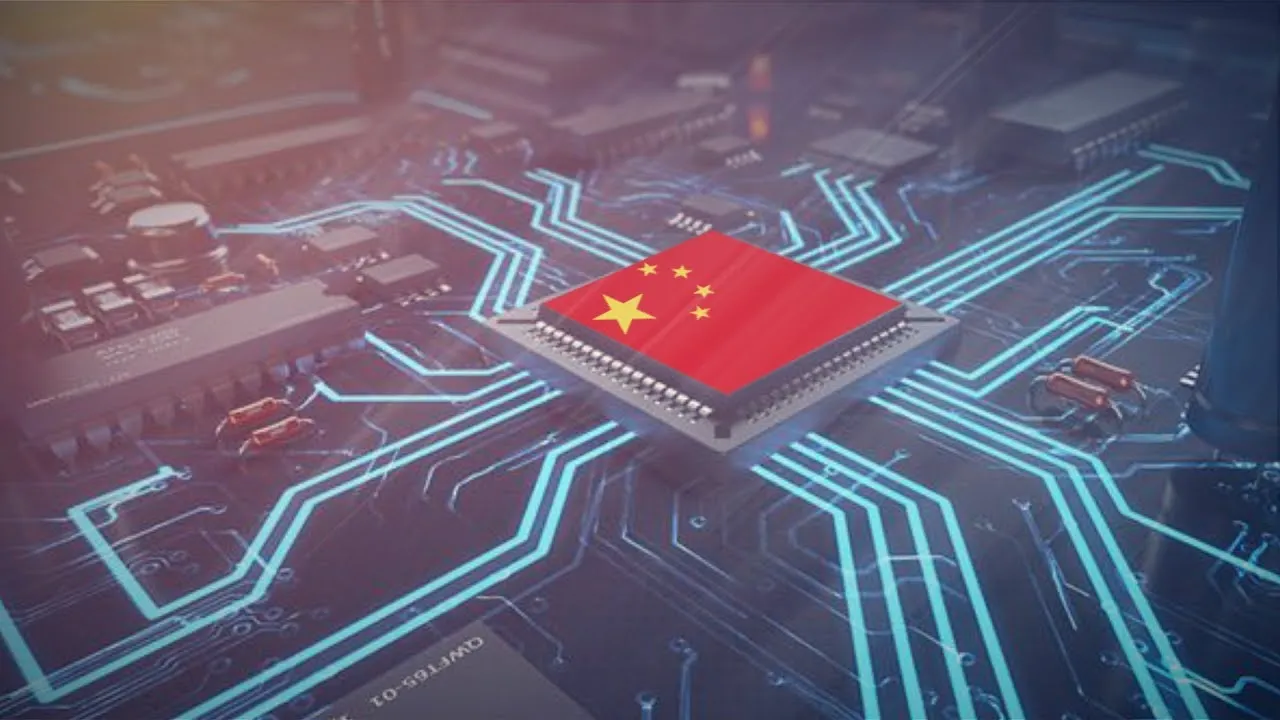
“Biden Wages Global Campaign on Chinese Technology.” “Biden Is Now All-In on Taking Out China.” “China is under siege.” These and other ominous mid-October headlines point to the deadly serious nature of the new and expanding restrictions on technology exports to China imposed by the Biden Administration and the U.S. Congress in the CHIPS Act.

The U.S. effort to constrain China’s access to advanced semiconductors and the tools to produce them is aimed at reducing the country’s growing prowess in AI and its military capabilities such as stealth and hypersonic weapons and cyberwarfare tools. “Progress in chip manufacturing … now … define[s] national power—much the same way nuclear tests or precision-guided missiles” did during the Cold War, writes veteran New York Times national security correspondent David E. Sanger.

Even before the CHIPS Act passed in July, export controls had multiplied under both Trump and Biden—with the number of Chinese firms on the Entity List growing from 130 to 532 from 2018 to 2022, according to Foreign Policy. (Firms on the list must acquire licenses to import U.S. goods.) Under the CHIPS Act, semiconductor makers who accept subsidies from the law’s $76 billion fund must agree not to invest in Chinese semiconductor production—except for legacy ≥ 28-nm chips—for 10 years. This restriction incensed the Chinese semiconductor industry and government, but it has been followed by tough executive actions such as the September order to AMD and Nvidia (which accounted for 95% of AI chip sales in China, according to Fubon Securities Investment Services) to cease exporting advanced chips to China. In the most recent regulatory filing, the Commerce Department’s Bureau of Industry and Security initiated new export controls on advanced chips and other technology applicable to supercomputers.

U.S.-allied countries such as Japan, Korea and the Netherlands that are vital players in the semiconductor value chain have resisted or opposed U.S. pressures to cut off tech exports to China. But because U.S.-based firms dominate key links in the value chain—such as electronic design automation (EDA)—and because the U.S. has invoked the foreign-direct product rule which effectively prohibits companies worldwide from supporting advanced chip design in China—the U.S. is exercising “chokepoint control [and] actively strangling large segments of the Chinese technology industry,” writes Gregory C. Allen, the AI governance expert at Center for Strategic and International Studies (CSIS).

Many experts forecast long-term unintended consequences from this policy—most significantly, that China will move more quickly to scale up its domestic advanced chip design and production capabilities. And by acting unilaterally, the U.S. may be undercutting its ability “to enroll a broad coalition of states” in its efforts to deter China, according to Jessica Chen Weiss, a Cornell professor and former state department official quoted by the New York Times.

But for OEMs in virtually every industry, these technology security policies will likely impact supply chains more directly and sooner than geopolitical issues will manifest. “Many American firms—as well as European, Japanese, South Korean and Taiwanese companies—will get caught in the crossfire,” Nick Marro, lead analyst for global trade at the Economist Intelligence Unit told SCMP. “In the longer term, the loss of foreign inputs in China’s tech supply chains could also lead to [additional] costs, while minimising product and service choice in ways that affect the tech sector’s competitiveness and productivity.”

Allen from CSIS avers that China’s fast-growing semiconductor fabrication industry—which now produces 16 percent of global chips, behind only Korea and Taiwan—may concentrate more on chips larger than 28-nm. While not the focus of U.S. strategic concerns, these legacy chips are still needed by many OEMs, especially in aerospace and automotive and by makers of low-tech appliances such as washing machines. “The current global semiconductor supply chain crisis has demonstrated that even shortages of less advanced chips can be economically devastating,” writes CSIS’s Allen. And China may well leverage its growing position in legacy chips to retaliate.

Drawing on Resilinc’s extensive supply chain database, the Resilinc Risk Analysis Team has issued a Special Report on the U.S. Chip Ban. Among other key conclusions, the report underscores the wide range of industries that will be potentially affected by turmoil in the semiconductor industry. The list extends beyond the most obvious segments such as consumer electronics, biotech, and telecom to include agribusiness, construction, cosmetics & skincare, oil and gas, power & energy, and many others.

The report recommends companies take steps such as:

  • Map high-tech and semiconductor sites and suppliers based in China.
  • Ensure backup sites outside of China are available.
  • Qualify suppliers with advanced technologies and high dependency on Chinese markets (in case additional categories are covered)
  • Monitor commodities originating in China for any retaliatory actions or export restrictions
  • Collaborate with suppliers to invite transparent communication about their dependence on China-based customers, suppliers, investors, and government entities
  • Accelerate plans for China + 1 for all high revenue impacting product



Key Insights

Recent Posts

How Pax Silica Is Redrawing the Rules of Technology Supply Chain Governance

Managing Persistent Disruption in Automotive and Manufacturing Supply Chains in 2026

U.S.–India Trade Agreement: Impact on Global Supply Chain Risk and Resilience

What Automotive Suppliers Need to Know About DDRT Compliance Before It’s Too Late

Supply Chain Disruption Is Accelerating and Why 2026 Demands a New Response

How Resilinc and Hirc Are Advancing Real-Time Healthcare Supply Chain Resilience

The 2026 Supply Chain Cyber Risk Checklist: 5 Critical Questions Every Leader Must Answer

The Big Questions Businesses Are Asking About Autonomous Supply Chain Mapping

About Resilinc

We’re the world’s leading supply chain monitoring, mapping, and resiliency solution. Over 100k organizations partner with us to take their SCRM programs from reactive to resilient.

Request Demo

Recent Blogs

Loading...
Abstract world map graphic illustrating global technology supply chain governance networks
Mar 02, 2026
4 MIN READ
Resilinc Editorial Team

How Pax Silica Is Redrawing the Rules...

On February 20, the United States and India formalized India's entry into the...
Geopolitical, Semiconductor
Image of automotive manufacturing
Feb 19, 2026
3 MIN READ
Paul Rossi, Director, Expert Services, Resilinc

Managing Persistent Disruption in Aut...

Managing persistent disruption In 2026, automotive and manufacturing organizations should prepare for a...
Automotive, Manufacturing
Image of the flag of India.
Feb 12, 2026
2 MIN READ
Resilinc Editorial Team

U.S.–India Trade Agreement: Impact on...

Recent momentum toward a U.S.–India trade agreement highlights how rapidly trade policy and...
Geopolitical, Tariffs and Trade
Read All Blogs
resilinc logo footer

Join the ranks of successful companies that rely on Resilinc to proactively protect their supply chain, safeguard their balance sheet, and gain a competitive edge.

Company

  • About Resilinc
  • Careers
  • Events
  • Press Releases
  • In the News
  • Partners
  • Resilinc Academy
  • About Resilinc
  • Careers
  • Events
  • Press Releases
  • In the News
  • Partners
  • Resilinc Academy

Products

  • Agentic AI Suite
  • AI Agents
  • Multi-Tier Mapping
  • RiskShield
  • EventWatchAI
  • Agentic AI Suite
  • AI Agents
  • Multi-Tier Mapping
  • RiskShield
  • EventWatchAI

Resources

  • Blog
  • Special Reports
  • Demos and Training
  • Case Studies
  • White Papers
  • Podcasts and Webinars
  • eBooks
  • Glossary
  • Sitemap
  • Blog
  • Special Reports
  • Demos and Training
  • Case Studies
  • White Papers
  • Podcasts and Webinars
  • eBooks
  • Glossary
  • Sitemap

Support & Legal

  • Customer Support
  • Contact Us
  • Legal
  • Customer Support
  • Contact Us
  • Legal
resilinc logo footer

Join the ranks of successful companies that rely on Resilinc to proactively protect their supply chain, safeguard their balance sheet, and gain a competitive edge.

Company

  • About Resilinc
  • Careers
  • Events
  • Press Releases
  • In the News
  • Partners
  • Resilinc Academy
  • About Resilinc
  • Careers
  • Events
  • Press Releases
  • In the News
  • Partners
  • Resilinc Academy

Products

  • Agentic AI Suite
  • AI Agents
  • Multi-Tier Mapping
  • RiskShield
  • EventWatchAI
  • Agentic AI Suite
  • AI Agents
  • Multi-Tier Mapping
  • RiskShield
  • EventWatchAI

Resources

  • Blog
  • Special Reports
  • Demos and Training
  • Case Studies
  • White Papers
  • Podcasts and Webinars
  • eBooks
  • Glossary
  • Sitemap
  • Blog
  • Special Reports
  • Demos and Training
  • Case Studies
  • White Papers
  • Podcasts and Webinars
  • eBooks
  • Glossary
  • Sitemap

Support & Legal

  • Customer Support
  • Contact Us
  • Legal
  • Customer Support
  • Contact Us
  • Legal
X-twitter Linkedin Facebook

© 2026 Resilinc Corporation. All rights reserved.

Data Security

Privacy Statement