
Skip to content
Supply Chain Risk Management – Resilinc
  • Products
        • AGENTIC AI SUITE

          • AI Suite OverviewAutonomous risk and compliance management
          • SC WatchProactive risk detection
          • SC MonitorIntelligent risk management
          • SC CommandFull-spectrum risk control
        • AI AGENTS

          • AI Agent OverviewScenario-specific analysis and action
          • Tariffs AgentBuilt-in protection from tariff risk
          • UFLPA AgentAlways-on compliance, instant response
          • Disruption AgentConfident execution through disruption
        • FEATURED CAPABILITIES

          • EventWatchAIReal-time global event tracking
          • Multi-Tier MappingComplete end-to-end supplier visibility
          • RiskShieldProactive supply chain risk protection
  • Solutions
        • BY INDUSTRY

          • Aerospace and Defense
          • Healthcare and Life Sciences
          • Automotive and Industrial
          • High Tech and Semiconductor
        • BY ROLE

          • Supply Chain Resiliency
          • Sourcing and Procurement
          • Executive Leadership
          • AI and Data Science
        • BY TOPIC

          • Supply Chain Risk Management
          • Supply Chain Compliance
        • BY SERVICE

          • Advisory Services
          • Managed Services
  • Resources
        • LEARN

        • Blog
        • Special Reports
        • Demos and Training
        • Case Studies
        • White Papers and Reports
        • Podcasts and Webinars
        • eBooks
  • Company
        • ABOUT US

        • Careers
        • About Resilinc
        • Events
        • Press Releases
        • In the News
        • Partners
        • Contact Us
Sign In
Schedule Demo
Supply Chain Risk Management – Resilinc
  • Products
    • Agentic AI Suite
      • AI Suite Overview
      • SC Watch
      • SC Moitor
      • SC Command
    • AI Agents
      • AI Agent Overview
      • Tariffs Agent
      • UFLPA Agent
      • Disruption Agent
    • Featured Capabilities
      • EventWatchAI
      • Multi-Tier Mapping
      • RiskShield
  • Solutions
    • By Industry
      • Aerospace and Defense
      • Healthcare and Life Sciences
      • Automotive and Industrial
      • High-Tech and Semiconductor
    • By Role
      • Supply Chain Resiliency
      • Sourcing and Procurement
      • Executive Leadership
      • AI Data Scientists
    • By Topic
      • Supply Chain Risk Management
      • Supply Chain Compliance
    • By Service
      • Advisory Services
      • Managed Services
  • Resources
    • Blog
    • Special Reports
    • Demos and Training
    • Case Studies
    • White Papers and Reports
    • Podcasts and Webinars
    • eBooks
  • Company
    • About Resilinc
    • Careers
    • Events
    • Press Releases
    • In the News
    • Partners
    • Contact Us
  • Sign In
  • Schedule Demo
  • Products
    • Agentic AI Suite
      • AI Suite Overview
      • SC Watch
      • SC Moitor
      • SC Command
    • AI Agents
      • AI Agent Overview
      • Tariffs Agent
      • UFLPA Agent
      • Disruption Agent
    • Featured Capabilities
      • EventWatchAI
      • Multi-Tier Mapping
      • RiskShield
  • Solutions
    • By Industry
      • Aerospace and Defense
      • Healthcare and Life Sciences
      • Automotive and Industrial
      • High-Tech and Semiconductor
    • By Role
      • Supply Chain Resiliency
      • Sourcing and Procurement
      • Executive Leadership
      • AI Data Scientists
    • By Topic
      • Supply Chain Risk Management
      • Supply Chain Compliance
    • By Service
      • Advisory Services
      • Managed Services
  • Resources
    • Blog
    • Special Reports
    • Demos and Training
    • Case Studies
    • White Papers and Reports
    • Podcasts and Webinars
    • eBooks
  • Company
    • About Resilinc
    • Careers
    • Events
    • Press Releases
    • In the News
    • Partners
    • Contact Us
  • Sign In
  • Schedule Demo

Home / Blogs / The Indo-Pacific Economic Framework (IPEF): What Is It and Why Does It Matter?

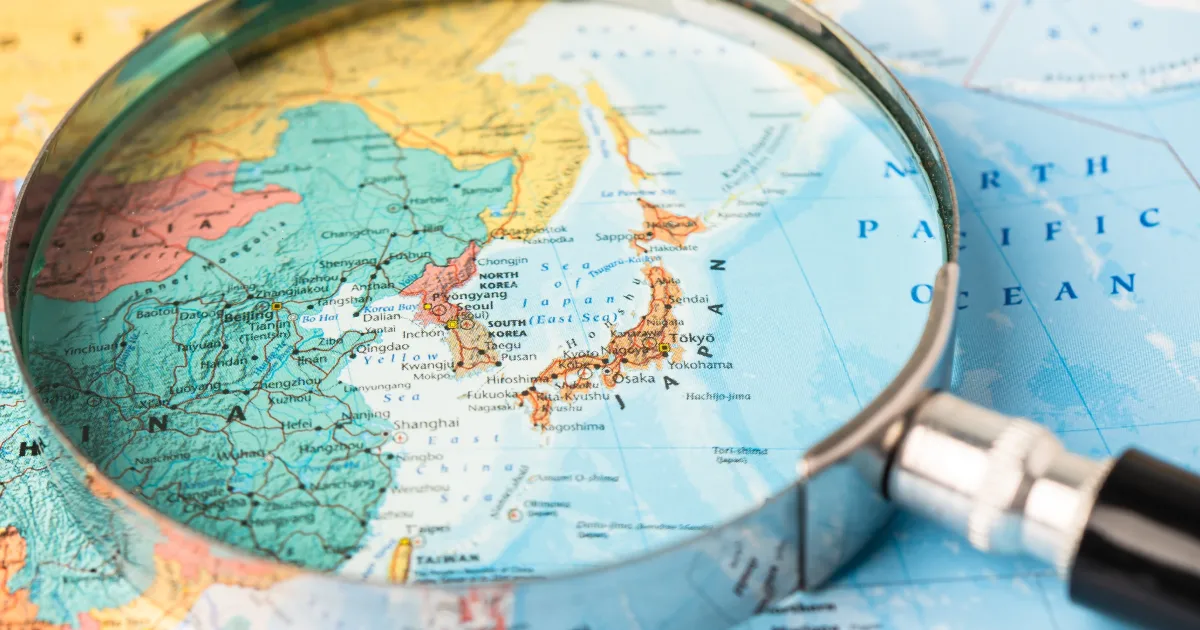
A magnifying glass over the indo-pacific region.

The Indo-Pacific Economic Framework (IPEF): What Is It and Why Does It Matter?

Jun 06, 2023

Resilinc Editorial Team

Geopolitical, Supply Chain Resilience, Tariffs and Trade

On May 23, President Biden officially launched The Indo-Pacific Economic Framework (IPEF). This framework aims to prevent detrimental supply chain shortages (such as the chip shortage the automotive industry faced during the pandemic) and improve response time when supply chain disruptions occur across the partnered countries.

As of negotiations on May 27, the IPEF includes the US and 14 Asia-Pacific nations: Australia, Brunei, Fiji, India, Indonesia, Japan, Korea, Malaysia, New Zealand, the Philippines, Singapore, Thailand, and Vietnam—that together represent 40% of the world’s GDP. In this blog, we’ll look at the goals, recent negotiations, why it matters, and the supply chain impact of the Indo-Pacific Economic Framework.


Goals of the Indo-Pacific Economic Framework

In total, four pillars are covered under the framework: Connected Economy, Resilient Economy, Clean Economy, and Fair Economy. These pillars respectively correspond to trade, supply chain resilience, sustainability, and fair labor. Under the IPEF, the countries have agreed to expand supply chain cooperation to build more resilient supply chains in critical sectors such as clean energy, digital, and technology.

Here’s a snapshot of each of the four pillars:

  • Connected Economy (Trade): Create high standards for the digital economy, e-commerce, and artificial intelligence.
  • Resilient Economy (Supply Chain): Anticipate and prevent supply chain disruptions more efficiently, using mapping and diversification.
  • Clean Economy (Sustainability): Tackle the climate crisis by accelerating renewable energy and decarbonization.
  • Fair Economy (Fair Labor): Discourage money laundering and bribery to promote a fair economy.

Check out The White House FACT SHEET for more on the four pillars of the IPEF.

While not explicitly stated in the framework, it also aims to reduce reliance on Chinese suppliers for essential commodities like semiconductors. Mitigating China’s growing influence on the region is of utmost significance to the US, given that the Indo-Pacific region is responsible for supporting over three million American jobs and generating almost $900 billion in foreign direct investment. As the Indo-Pacific region is projected to be a major global growth contributor for the next 30 years, the IPEF will only gain greater significance in years to come.


Is the Indo-Pacific Economic Framework a Trade Deal?

This framework comes in response to President Trump’s withdrawal from the Trans-Pacific Partnership (TPP) in January 2017. The TPP was a previously proposed free-trade deal that included the US, Australia, Brunei, Canada, Chile, Japan, Malaysia, Mexico, New Zealand, Peru, Singapore, and Vietnam. The TTP and the IPEF are similar, in that they both aimed to promote high standards of fair labor and sustainability throughout partners’ supply chains.

However, there is one major difference: the IPEF is not a free-trade agreement or trade deal. US Trade Representative Katherine Thai noted, “[IPEF], from the very beginning, is not a traditional trade deal. We’re not just trying to maximize efficiencies and liberalization. We’re trying to promote sustainability, resilience, and inclusiveness.” Read more about the difference between the IPEF and the TPP in Resilinc’s blog: Spotlight on Trade Agreements.

Conversely, some lawmakers and businesses are worried the IPEF will impact American jobs. Over 30 businesses sent a letter to the IPEF administration, citing concerns that typical provisions in normal free-trade agreements, such as tariff reductions and market access, have been left out. According to the letter, adding commitments like these would help facilitate trade where anti-tariff barriers prevent U.S. competitiveness overseas.


What is the timeline for the IPEF?

On May 27, trade ministers met to discuss one of the pillars: supply chain resilience. Following negotiations, three groups were proposed to coordinate the IPEF and relay current supply chain issues across partners. The first group, The IPEF Supply Chain Council, will create action plans for building supply chain resilience in critical sectors. The next group, The IPEF Supply Chain Crisis Response Network, will create a channel for emergency communications during major supply chain disruptions. Finally, The IPEF Labor Rights Advisory Board will create a council to promote fair labor and sustainable trade.

According to the U.S. Department of Commerce, “The IPEF Partners have agreed to an aggressive negotiating schedule for 2023 in order to make substantial progress this year.” Going forward, countries plan to work together to discuss the remaining three pillars of the IPEF. Negotiations are expected to be finalized by November 2023—in time for the Asia-Pacific Economic Cooperation summit meeting.


How will the IPEF Impact Supply Chains?

Ultimately, the IPEF aims to promote American workers and businesses as well as workers in the Indo-Pacific region. This framework should help ensure that American workers can compete in the region while building more resilient global supply chains. With more resilient supply chains, costly disruptions can be avoided, resulting in lower prices for consumers.

Many are skeptical about whether the IPEF will be able to counter China’s influence—considering that the IPEF is not a trade deal—and view the framework as purely symbolic. According to Senior Economic David Dapice, however, the IPEF has the potential to make real changes in areas it focuses on, like sustainability and digital security. For example, the US could provide “green” loans for clean energy, which could help the IPEF countries meet lower carbon and pollution targets.

In the broader picture, the IPEF represents an overall shift toward the importance of supply chain resilience. President Biden even referred to the framework as “the new rules for the 21st-century economy.” As countries across the globe are starting to implement supply chain resilience strategies, now is the time for your business to start too. Learn more about how Resilinc can help you on your journey to supply chain resiliency.

Key Insights

Recent Posts

Managing Persistent Disruption in Automotive and Manufacturing Supply Chains in 2026

U.S.–India Trade Agreement: Impact on Global Supply Chain Risk and Resilience

What Automotive Suppliers Need to Know About DDRT Compliance Before It’s Too Late

Supply Chain Disruption Is Accelerating and Why 2026 Demands a New Response

How Resilinc and Hirc Are Advancing Real-Time Healthcare Supply Chain Resilience

The 2026 Supply Chain Cyber Risk Checklist: 5 Critical Questions Every Leader Must Answer

The Big Questions Businesses Are Asking About Autonomous Supply Chain Mapping

How Calix Is Transforming Its Supply Chain With Intelligent Disruption Response

About Resilinc

We’re the world’s leading supply chain monitoring, mapping, and resiliency solution. Over 100k organizations partner with us to take their SCRM programs from reactive to resilient.

Request Demo

Recent Blogs

Loading...
Image of automotive manufacturing
Feb 19, 2026
3 MIN READ
Paul Rossi, Director, Expert Services, Resilinc

Managing Persistent Disruption in Aut...

Managing persistent disruption In 2026, automotive and manufacturing organizations should prepare for a...
Automotive, Manufacturing
Image of the flag of India.
Feb 12, 2026
2 MIN READ
Resilinc Editorial Team

U.S.–India Trade Agreement: Impact on...

Recent momentum toward a U.S.–India trade agreement highlights how rapidly trade policy and...
Geopolitical, Tariffs and Trade
Car being assembled
Feb 02, 2026
2 MIN READ
Resilinc Editorial Team

What Automotive Suppliers Need to Kno...

The rules just changed for automotive suppliers. With UFLPA enforcement accelerating and OEMs...
Automotive Industry, Compliance
Read All Blogs
resilinc logo footer

Join the ranks of successful companies that rely on Resilinc to proactively protect their supply chain, safeguard their balance sheet, and gain a competitive edge.

Company

  • About Resilinc
  • Careers
  • Events
  • Press Releases
  • In the News
  • Partners
  • Resilinc Academy
  • About Resilinc
  • Careers
  • Events
  • Press Releases
  • In the News
  • Partners
  • Resilinc Academy

Products

  • Agentic AI Suite
  • AI Agents
  • Multi-Tier Mapping
  • RiskShield
  • EventWatchAI
  • Agentic AI Suite
  • AI Agents
  • Multi-Tier Mapping
  • RiskShield
  • EventWatchAI

Resources

  • Blog
  • Special Reports
  • Demos and Training
  • Case Studies
  • White Papers
  • Podcasts and Webinars
  • eBooks
  • Glossary
  • Sitemap
  • Blog
  • Special Reports
  • Demos and Training
  • Case Studies
  • White Papers
  • Podcasts and Webinars
  • eBooks
  • Glossary
  • Sitemap

Support & Legal

  • Customer Support
  • Contact Us
  • Legal
  • Customer Support
  • Contact Us
  • Legal
resilinc logo footer

Join the ranks of successful companies that rely on Resilinc to proactively protect their supply chain, safeguard their balance sheet, and gain a competitive edge.

Company

  • About Resilinc
  • Careers
  • Events
  • Press Releases
  • In the News
  • Partners
  • Resilinc Academy
  • About Resilinc
  • Careers
  • Events
  • Press Releases
  • In the News
  • Partners
  • Resilinc Academy

Products

  • Agentic AI Suite
  • AI Agents
  • Multi-Tier Mapping
  • RiskShield
  • EventWatchAI
  • Agentic AI Suite
  • AI Agents
  • Multi-Tier Mapping
  • RiskShield
  • EventWatchAI

Resources

  • Blog
  • Special Reports
  • Demos and Training
  • Case Studies
  • White Papers
  • Podcasts and Webinars
  • eBooks
  • Glossary
  • Sitemap
  • Blog
  • Special Reports
  • Demos and Training
  • Case Studies
  • White Papers
  • Podcasts and Webinars
  • eBooks
  • Glossary
  • Sitemap

Support & Legal

  • Customer Support
  • Contact Us
  • Legal
  • Customer Support
  • Contact Us
  • Legal
X-twitter Linkedin Facebook

© 2026 Resilinc Corporation. All rights reserved.

Data Security

Privacy Statement