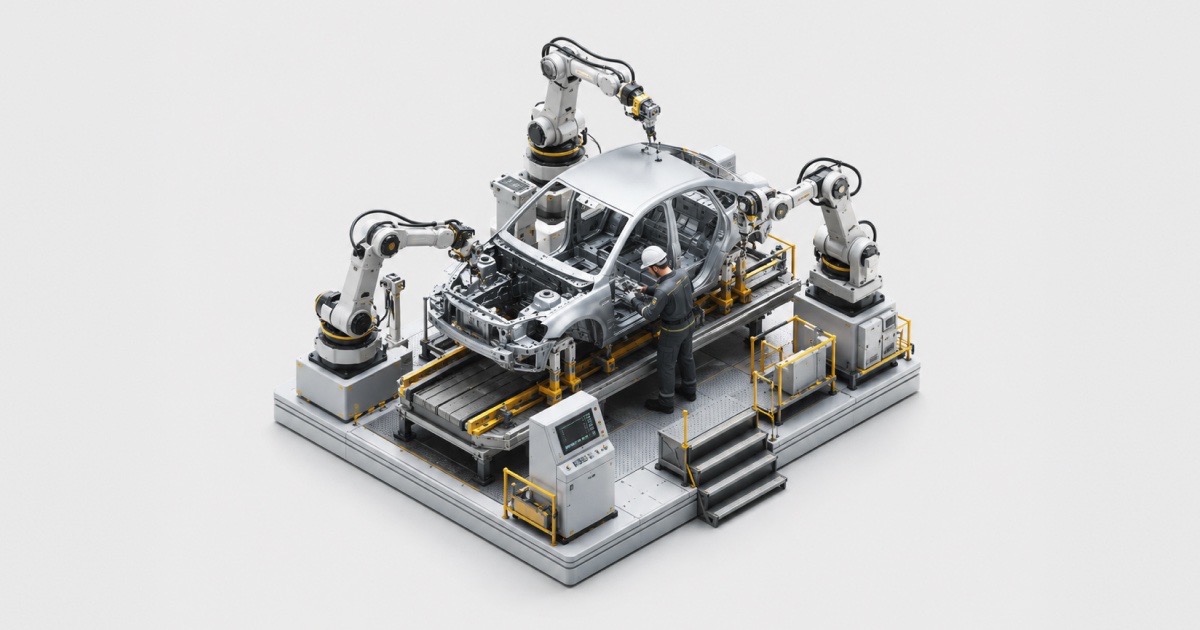
AI agents, APIs, and connected data are transforming supply chain risk management by bringing intelligence directly into operational workflows.
What is headless supply chain intelligence?
Headless supply chain intelligence is a model that connects supply chain intelligence directly to the systems where teams work. When a supplier disruption, tariff change, or compliance issue emerges, the relevant context is available within the workflow being used to evaluate and respond to that issue.
What is driving interest in headless supply chains?
Organizations are becoming interested in headless supply chain models because the information needed to evaluate supplier risk, disruptions, compliance exposure, and sourcing decisions is often spread across multiple systems.
A disruption may require supplier data from procurement systems, impact analysis from planning teams, and assessment activity from compliance teams. A tariff change may affect sourcing decisions, supplier reviews, and trade compliance efforts at the same time. The information needed to evaluate these issues often exists, though it may be spread across ERP systems, supplier assessments, spreadsheets, and internal reporting tools.
That challenge has become more visible as organizations navigate supplier disruptions, tariff changes, forced labor regulations, and geopolitical uncertainty. Bringing together the right information often requires manual effort across multiple applications and workflows.
As a result, many organizations want supply chain intelligence to be available inside the systems where work is already taking place. That shift is driving interest in what many companies describe as a headless supply chain intelligence model.
What does “headless” mean in supply chain operations?
In enterprise software, “headless” refers to making intelligence available wherever work is taking place rather than limiting it to a single application. For supply chain teams, that means supplier, risk, compliance, and disruption intelligence can be accessed inside the systems they already use.
This approach is becoming more relevant because supply chain work rarely happens in one place. Procurement teams manage suppliers in sourcing platforms. Planning teams evaluate operational impact in planning systems. Compliance teams conduct assessments and investigate supplier exposure through specialized workflows.
A sourcing manager investigating supplier risk should not have to gather information from multiple applications before understanding the issue. A planning team responding to a disruption should be able to access site-level intelligence within the tools they already use. Headless supply chain intelligence addresses that challenge by making relevant context available where decisions are being made.
Is visibility on its own still able to solve these problems?
Over the last decade, supply chain software focused heavily on visibility. Companies invested in supplier mapping, disruption monitoring, logistics tracking, and operational risk scoring. Those capabilities remain important, especially as geopolitical instability and tariff changes continue to affect global supply chains. Many organizations discovered that visibility alone does not improve operational response.
A disruption alert may identify an affected supplier, though teams still need to determine which products are impacted, which facilities depend on those parts, whether alternate sourcing options exist, and how quickly mitigation efforts should begin. Compliance reviews often require teams to coordinate supplier outreach and assessment workflows manually across multiple systems. Trade and sourcing teams frequently move between ERP records, supplier data, and external spreadsheets before they can fully evaluate tariff exposure. Most enterprises already have substantial operational data. The larger issue is that the context surrounding those decisions remains fragmented across systems and workflows. That challenge becomes more visible as companies adopt AI-driven workflows and enterprise copilots.
Why do AI agents need supply chain data and context?
The growth of enterprise AI has created new interest in operational intelligence layers that can support decision-making more directly. Large language models can summarize information effectively, though supply chain operations depend heavily on structured context. An AI assistant reviewing a supplier disruption may need access to supplier-path relationships, material dependencies, part-to-site mappings, tariff exposure, or revenue-at-risk calculations. That information typically exists across multiple operational systems and datasets.
As companies introduce AI copilots into procurement, planning, and compliance workflows, many are discovering that generic AI tools struggle to answer operational supply chain questions without access to structured supplier and risk data. This is one reason many enterprises are exploring Model Context Protocol, commonly referred to as MCP. MCP allows AI agents and enterprise applications to securely access domain-specific tools instead of relying only on raw text generation.
Within supply chain operations, those tools can include disruption intelligence, supplier exposure analysis, tariff-impact calculations, forced labor checks, or supplier assessment workflows tied to specific parts and sites. For most organizations, the near-term objective is practical rather than fully autonomous. Companies want systems that can reduce manual investigation work, help teams prioritize operational response, and surface relevant intelligence inside the environments employees already use.
What is Databricks Delta Sharing and why does it matter for supply chains?
Headless supply chain intelligence depends on more than AI agents. Structured data access remains essential for operational systems and enterprise applications. REST APIs provide deterministic access to supplier records, event data, risk scores, operational mappings, and product relationships. A procurement application may use APIs to enrich supplier records with disruption intelligence. A control tower platform may retrieve event updates connected to specific facilities or materials.
At the same time, many enterprises now manage operational data through centralized lakehouse environments. That shift has increased interest in governed data-sharing approaches such as Databricks Delta Sharing. Under this model, organizations can securely share operational datasets into downstream intelligence systems without relying on repeated file transfers or custom integration work. Shared data can support supplier mapping, disruption analysis, compliance workflows, and operational enrichment while maintaining governance controls and audit visibility. Supply chain intelligence is becoming more distributed and easier to integrate directly into operational systems.
Is governance important in AI-driven supply chain workflows?
As supply chain intelligence moves into operational workflows and AI-assisted environments, governance requirements become more important. Supply chain decisions often involve supplier relationships, compliance obligations, sourcing authority, or customer commitments. Those activities require auditability and controlled access.
For that reason, many organizations are approaching headless architectures gradually. Early deployments often focus on operational recommendations or read-only intelligence. Over time, companies may expand into governed actions such as launching supplier assessments, coordinating outreach efforts, or escalating mitigation workflows through approved operational processes.
Human review remains an important part of most enterprise implementations. Organizations want AI-assisted operational support, though they also want visibility into what information was accessed, how recommendations were generated, and which workflows were triggered.
How are companies embedding supply chain intelligence into existing systems?
The movement toward headless supply chain intelligence reflects a broader change in enterprise software architecture. Operational teams no longer expect every workflow to begin inside a standalone platform. Intelligence is increasingly expected to appear inside the systems already used for sourcing, planning, compliance, operations, and executive decision-making.
For supply chain organizations, the implications are practical. Supplier mapping becomes more useful when tied directly to sourcing workflows. Disruption intelligence becomes more actionable when connected to operational impact analysis. Compliance reviews move faster when supplier exposure data is available inside assessment processes instead of separate systems. The goal is to reduce the time between identifying a supply chain issue and understanding what operational response may be required.
How does Resilinc support headless applications?
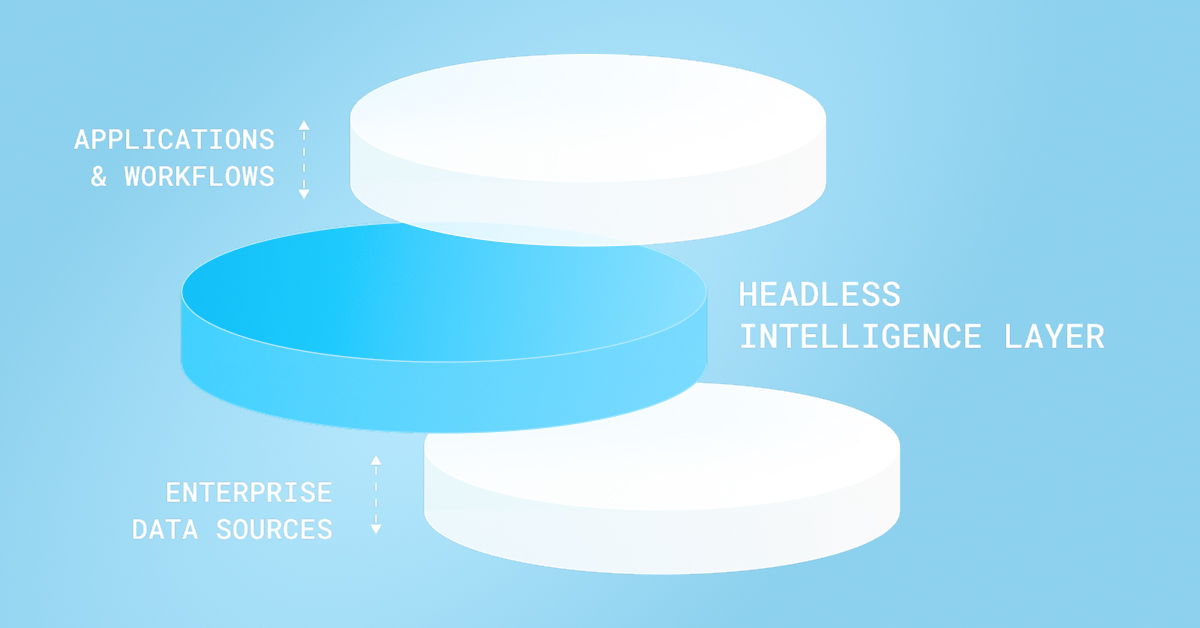
Resilinc supports headless applications by making supply chain risk and compliance intelligence available beyond a traditional user interface. Through APIs, Databricks Delta Sharing, MCP (Model Context Protocol), and agent-to-agent interaction, organizations can access Resilinc intelligence directly within enterprise applications, control towers, planning systems, analytics environments, and AI-driven workflows.
APIs provide deterministic access to supplier mapping, disruption intelligence, risk data, and compliance information. Databricks Delta Sharing enables governed access to supply chain datasets within enterprise lakehouse and analytics environments. MCP extends these capabilities further by allowing AI agents and enterprise systems to invoke Resilinc’s intelligence tools directly, enabling disruption analysis, supplier exposure assessments, compliance checks, and mitigation recommendations in real time.
This approach allows organizations to embed supply chain intelligence into the systems where decisions are made rather than requiring users to work from a standalone platform. Whether a planning system is evaluating sourcing alternatives, a procurement application is assessing supplier risk, or an AI agent is responding to a disruption, Resilinc serves as the intelligence layer that provides the context, analysis, and recommended actions needed to support faster, more informed decisions.
Explore how the Resilinc agentic AI platform puts supply chain intelligence directly inside the workflows where decisions get made.