
The global aluminum market is tightening, and while most organizations are focused on the risk of supply loss, the real issue is already unfolding across the system.
Recent attacks have hit major aluminum facilities in the Middle East, including Emirates Global Aluminum in the UAE and Aluminum Bahrain, one of the largest smelters in the world with capacity of about 1.6 million metric tons per year. The region accounts for roughly 8–9% of global aluminum production, and a similar share of global trade moves through the Strait of Hormuz.
These facts explain why aluminum is in focus. They do not fully explain how disruption is spreading.
The disruption is already moving through supply chains. It is happening in ways that are harder to see and harder to manage.
A constraint is taking shape across the system
Aluminum production depends on stable and affordable energy. Smelters run continuously and rely heavily on natural gas and electricity. When energy flows tighten or become unreliable, production becomes harder to sustain. Output declines, costs rise, and flexibility narrows. That process is already underway. Aluminum Bahrain has reduced about 19% of its production capacity due to supply disruptions. Qatar’s Qatalum smelter has also cut output by hundreds of thousands of tons because of natural gas constraints.
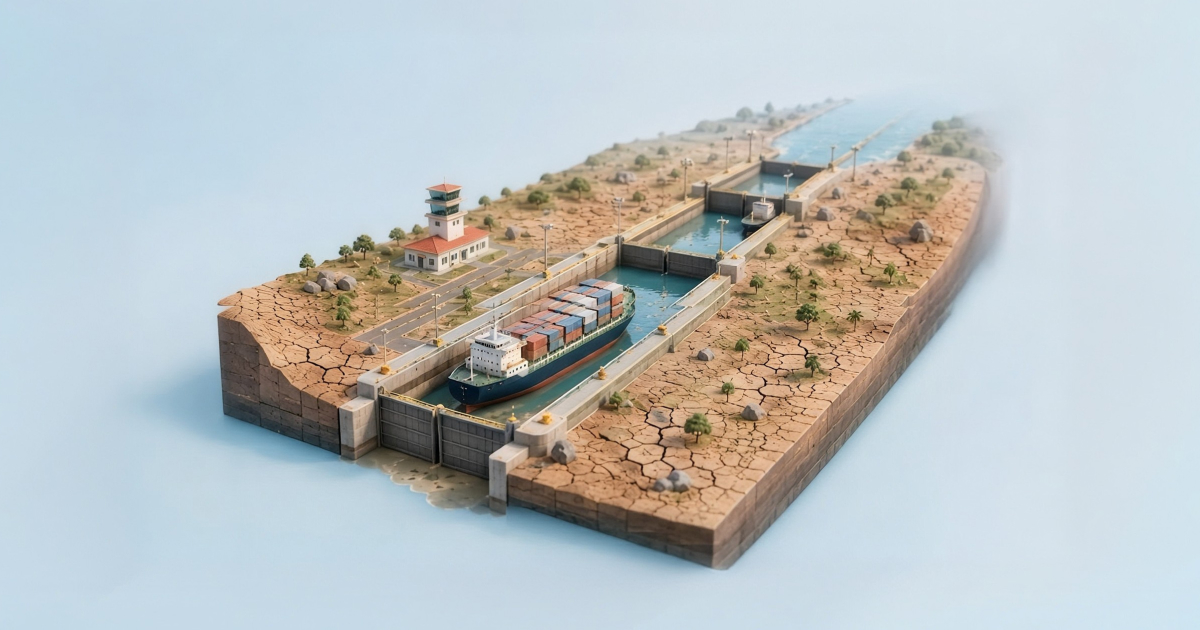
At the same time, shipping through the Strait of Hormuz has slowed, limiting both inbound raw materials and outbound finished metal. These pressures are occurring simultaneously. Together, they are constraining both production and logistics, which is what drives sustained disruption.
Early pressure is showing up in Asia
The first signs of strain are not showing up as shutdowns. They are appearing upstream and downstream in the broader industrial network that depends on aluminum and the same energy inputs. The impact is most visible across Japan, Taiwan, Malaysia, and Thailand. These regions play a central role in semiconductors, substrates, and specialty chemicals. Each of these sectors relies on energy-intensive processes and stable material inputs. Suppliers in these regions remain operational, but conditions are tightening.
Teams are reporting:
- Cost increases and early surcharge discussions
- Less flexibility in capacity commitments
- Slower response times on order confirmations
These changes reflect pressure building across the system rather than isolated supplier issues.
Variability is the first signal
Most companies are still receiving shipments. Production schedules continue to move forward. On the surface, operations appear stable. Underneath, performance is shifting. Delivery timelines are becoming less consistent. Lead times are moving. Supplier commitments are becoming harder to rely on, and communication is slowing.
Markets are already reflecting this shift. Aluminum prices rose about 5% following the escalation in March and are on track for one of the strongest monthly increases in recent years. Supply is still moving, but reliability is declining. This is how disruption begins.
Constraint will follow
If current conditions persist, suppliers will begin adjusting operations over the next several weeks. Energy-intensive production will be scaled or optimized, and capacity will be directed toward priority customers.
This is when constraints become more visible:
- Allocation of aluminum supply
- Longer lead times across aluminum-dependent components
- Production adjustments across electronics, automotive, and industrial sectors
These changes can move quickly once they begin. As capacity tightens, options narrow.
Aluminum reflects a broader shift
Aluminum sits at the center of industrial production. It is energy-intensive to produce and widely used across global manufacturing. That makes it highly sensitive to disruptions in both energy and logistics. The current situation reflects a broader shift. Energy constraints are beginning to influence material availability, and industrial systems are becoming less predictable. Aluminum is one of the first places this is visible. Similar patterns can emerge across other materials that rely on energy-intensive processes.
What companies should be doing now
Organizations still have time to act while the system continues to function. In the immediate term, teams should confirm inventory coverage for aluminum and aluminum-dependent components, with a focus on suppliers exposed to energy constraints and Middle East supply routes. Direct engagement with suppliers is essential to understand current conditions and near-term risk.
Visibility beyond Tier 1 suppliers is critical. Many of the earliest signals are emerging deeper in the network. Companies using Resilinc’s multi-tier mapping and EventWatchAI monitoring can identify exposed sites, track disruption signals in near real time, and understand how risk is spreading across their supplier base.
Over the next few weeks, the focus should shift to identifying components that may face allocation. Teams should prioritize supply for critical products and closely monitor supplier behavior. Changes in responsiveness, confirmation timing, and flexibility often indicate tightening conditions.
Resilinc’s predictive risk monitoring and supplier intelligence help organizations detect these shifts early and take action before operations are affected. Looking ahead, companies should plan for continued cost pressure and reduced flexibility. Alternate sourcing strategies may be required for energy-sensitive materials, and stronger sub-tier visibility will improve response time as conditions evolve. Organizations that invest in continuous monitoring and network intelligence will be better prepared to manage ongoing disruption.
Bottom line
The aluminum squeeze has already begun. The first signs appear as variability. The next phase brings constraint. Shortages follow later. Companies that respond early retain flexibility. Companies that wait face tighter conditions and fewer alternatives. What looks stable today can change quickly. The signals are already present for teams that know where to look.
Stay ahead of aluminum risk
Understanding how the Middle East conflict is affecting aluminum requires clear visibility into suppliers, energy exposure, and logistics risk.
Download Resilinc’s latest Middle East Conflict Special Report for a detailed view of impacted aluminum production and at-risk supplier networks. You can also watch the Middle East Conflict Webinar to learn how organizations are using multi-tier mapping, real-time monitoring, and predictive intelligence to respond.
Early insight supports faster decisions. In a tightening aluminum market, timing matters.